With the continuous development of modern architecture, building facades are becoming increasingly important in improving both appearance and performance. An aluminium composite facade is widely recognized as an efficient solution for commercial, residential, and industrial buildings because it combines durability, lightweight construction, and excellent design flexibility.
Aluminium composite panels have become a preferred material for exterior wall systems due to their smooth appearance, weather resistance, and easy installation. They provide architects and builders with more possibilities to create attractive and functional building exteriors.
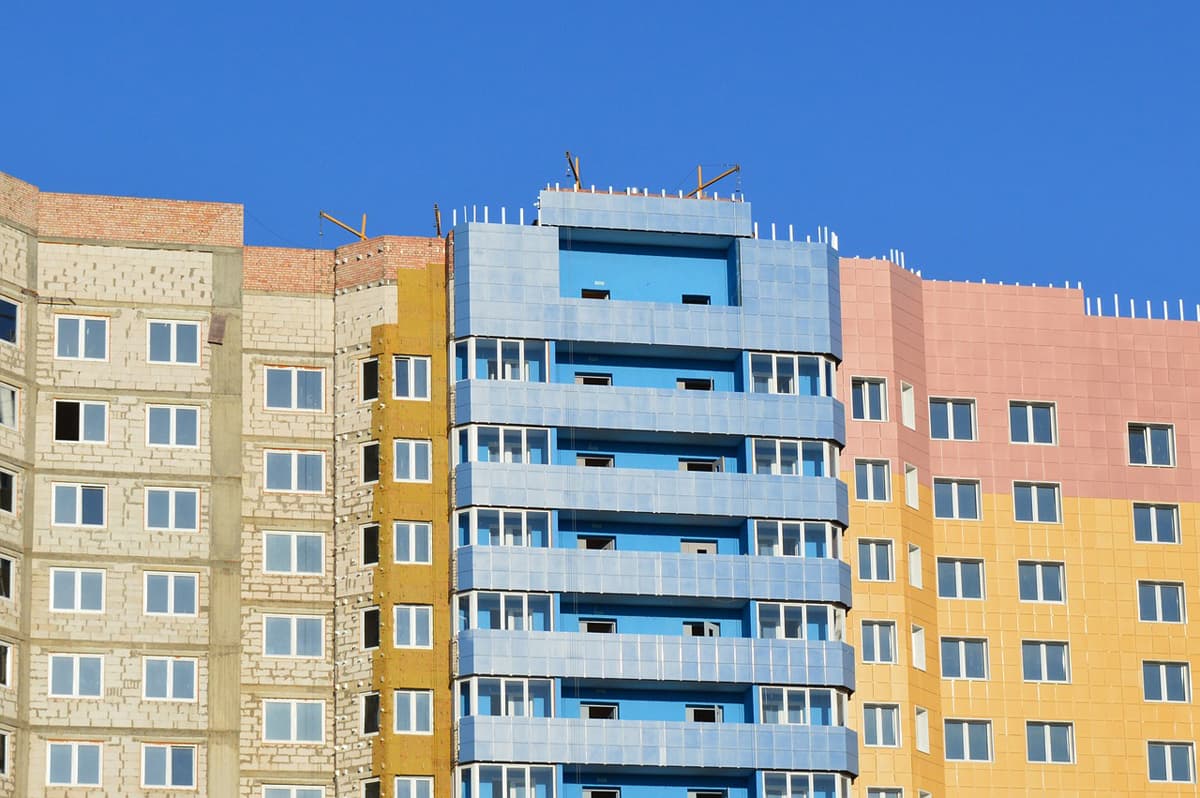
What Is an Aluminium Composite Facade?
An aluminium composite facade is an exterior cladding system that uses aluminum composite panels as the main decorative and protective layer. These panels are manufactured by bonding two aluminum sheets with a lightweight core material, creating a strong and stable structure.
The aluminum layers provide excellent surface protection, corrosion resistance, and a modern appearance, while the core layer improves flexibility and reduces the overall weight of the panel.
Compared with traditional facade materials such as stone, concrete, or solid metal panels, aluminium composite panels offer easier installation and better design adaptability. This makes them suitable for various architectural applications.
Advantages of Aluminium Composite Facade Systems
Lightweight and Efficient Installation
One of the biggest benefits of an aluminium composite facade is its lightweight structure. The reduced weight makes transportation, handling, and installation much easier compared with many traditional cladding materials.
Because the panels are easy to cut, shape, and install, construction teams can complete facade projects more efficiently. This can help reduce labor costs and shorten installation periods.
Excellent Weather Resistance
Building exteriors are exposed to different environmental conditions, including sunlight, rain, humidity, and temperature changes. High-quality aluminium composite facade systems are designed to provide long-term protection against these challenges.
The surface coating helps prevent fading, corrosion, and damage caused by outdoor exposure. With proper maintenance, aluminium composite panels can maintain their appearance and performance for many years.
Flexible Design Options
Modern buildings often require unique exterior designs. Aluminium composite panels are available in various colors, textures, and finishes, allowing designers to create different architectural styles.
Whether the project requires a clean modern appearance, metallic effects, or customized finishes, aluminium composite facade systems can meet different aesthetic requirements.
Common Applications of Aluminium Composite Facade
Due to their excellent performance and visual appeal, aluminium composite facade systems are widely used in many types of projects, including:
- Commercial buildings
- Office towers
- Shopping centers
- Hotels
- Residential developments
- Public facilities
- Renovation projects
For exterior wall decoration, aluminium composite panels provide a balance between appearance, durability, and cost efficiency. They are especially suitable for projects that require a modern facade design with reliable outdoor performance.
Factors Affecting Aluminium Composite Facade Cost
The total cost of an aluminium composite facade depends on several factors. Understanding these elements can help buyers choose the right materials according to their project requirements.
Panel Thickness
The thickness of aluminum layers and the overall panel structure directly influence strength and durability. Thicker panels usually provide better performance for demanding exterior applications.
Different projects may require different specifications. Buyers often compare products and market information such as ACP Sheet 3mm Price to evaluate suitable options based on budget and performance requirements.
Surface Coating Type
The coating system is another important factor affecting facade performance and cost. Common options include PE coating and PVDF coating.
PVDF-coated panels generally offer stronger UV resistance and better color retention, making them suitable for high-end exterior applications.
Panel Size and Customization
Standard panel sizes are often more economical, while customized dimensions, special colors, and unique finishes may increase production costs.
Before selecting a product, customers should consider project scale, design requirements, and installation conditions to achieve the best balance between quality and budget.
How to Select the Right Aluminium Composite Facade
Choosing a suitable facade system requires careful consideration of several factors:
- Building location and climate conditions
- Required durability level
- Design style
- Fire safety requirements
- Maintenance expectations
- Supplier experience
A reliable manufacturer can provide professional recommendations and help customers select suitable panel specifications.
When comparing different products, buyers should not only focus on the initial cost but also consider long-term performance and maintenance expenses. A high-quality facade system can reduce future repair costs and provide better overall value.
Why Choose Aluminium Composite Facade for Modern Architecture?
The popularity of the aluminium composite facade continues to grow because it combines practical performance with modern aesthetics. It provides architects with greater freedom to create visually appealing buildings while ensuring long-lasting protection.
Compared with many traditional materials, aluminium composite panels offer advantages such as lightweight construction, easy installation, weather resistance, and design flexibility.
For customers researching material options, checking the acm panel price can help understand market costs and compare different solutions for facade projects.
Conclusion
An aluminium composite facade is an excellent choice for modern buildings that require durability, attractive design, and efficient installation. Its combination of lightweight structure, weather resistance, and customization options makes it suitable for a wide range of architectural applications.
By considering factors such as panel thickness, coating type, and project requirements, buyers can select the most suitable aluminium composite facade solution. With its reliable performance and modern appearance, aluminium composite cladding will continue to play an important role in future building design.