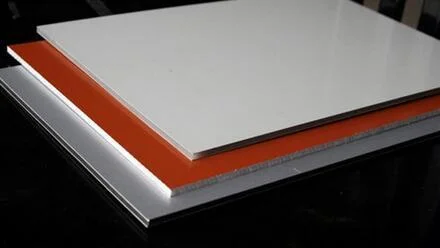
Modern architecture demands materials that combine durability, visual appeal, and cost efficiency. Among the many facade solutions available today, exterior acp cladding has become a popular option for commercial, residential, and institutional projects. Its lightweight structure, weather resistance, and design flexibility make it suitable for a wide range of architectural applications.
As cities continue to develop and building designs become more sophisticated, architects and developers increasingly rely on exterior ACP systems to create attractive and long-lasting building exteriors.
What Is Exterior ACP Cladding?
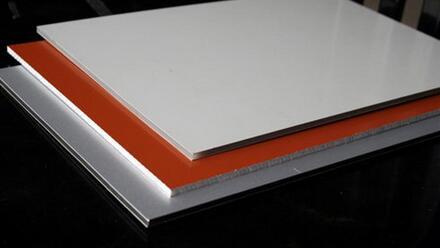
Exterior acp cladding refers to aluminum composite panel systems specifically designed for outdoor applications. These panels typically consist of two aluminum layers bonded to a specialized core, creating a material that offers both strength and reduced weight.
Unlike traditional facade materials such as stone, concrete, or brick, ACP cladding provides greater flexibility in design while simplifying transportation and installation. This combination of performance and practicality has contributed to its growing popularity in modern construction.
Key Benefits of Exterior ACP Cladding
Lightweight Yet Durable
One of the biggest advantages of exterior acp cladding is its excellent strength-to-weight ratio. Lightweight materials reduce structural loads while maintaining reliable performance in demanding environments.
Enhanced Weather Resistance
Building exteriors are constantly exposed to sunlight, rain, humidity, and temperature fluctuations. High-quality ACP systems are engineered to withstand these conditions while maintaining their appearance over time.
Modern Architectural Appearance
Contemporary buildings often require clean lines and visually appealing finishes. ACP panels are available in a variety of colors, textures, and surface treatments, allowing architects to achieve unique design objectives.
Faster Installation
Compared with many traditional facade materials, ACP panels are generally easier to transport and install. This can help reduce labor requirements and accelerate project completion schedules.
Applications Across Different Industries
Exterior ACP solutions are widely used in:
- Commercial office buildings
- Shopping malls
- Hotels
- Hospitals
- Educational institutions
- Airports and transportation facilities
- Residential developments
- Government buildings
Their versatility makes them suitable for both new construction projects and renovation work.
Cost Considerations
Budget planning is an important part of any construction project. While pricing varies according to panel specifications, coatings, and installation requirements, buyers often compare acp cladding cost information before selecting materials.
Evaluating long-term value is equally important. Higher-quality products may involve a greater initial investment but can reduce maintenance and replacement expenses throughout the building lifecycle.
For this reason, project owners should consider durability and performance alongside pricing when evaluating facade materials.
Design Flexibility and Customization
Modern architectural projects often require materials that support creative and distinctive building designs.
ACP cladding systems can be fabricated into different shapes, dimensions, and surface finishes. Available options commonly include:
- Metallic finishes
- Matte surfaces
- Stone-inspired textures
- Wood-grain effects
- Customized color solutions
This design flexibility allows architects to create visually striking facades while maintaining practical construction requirements.
Comparing Exterior ACP Cladding with Traditional Materials
Traditional facade materials remain widely used, but they often involve higher weight, more complex installation, and increased maintenance requirements.
Many developers compare acp exterior cladding solutions with stone, concrete, and ceramic alternatives because ACP systems can offer a balance of aesthetics, performance, and installation efficiency.
The ability to achieve modern architectural appearances while reducing construction complexity has helped ACP materials gain significant market share in recent years.
Choosing the Right Supplier
Selecting the right manufacturer is essential for project success.
When evaluating suppliers, buyers should consider:
- Product certifications
- Manufacturing experience
- Quality control standards
- Technical support
- Warranty coverage
- Delivery reliability
Working with an experienced supplier can help ensure consistent product quality and long-term performance.
Conclusion
Exterior acp cladding continues to be one of the most practical and visually appealing facade solutions available in modern construction. Its lightweight structure, weather resistance, design flexibility, and installation efficiency make it suitable for a wide variety of projects.
By carefully evaluating product quality, supplier capabilities, and project requirements, buyers can select exterior acp cladding systems that provide lasting value and attractive architectural results.