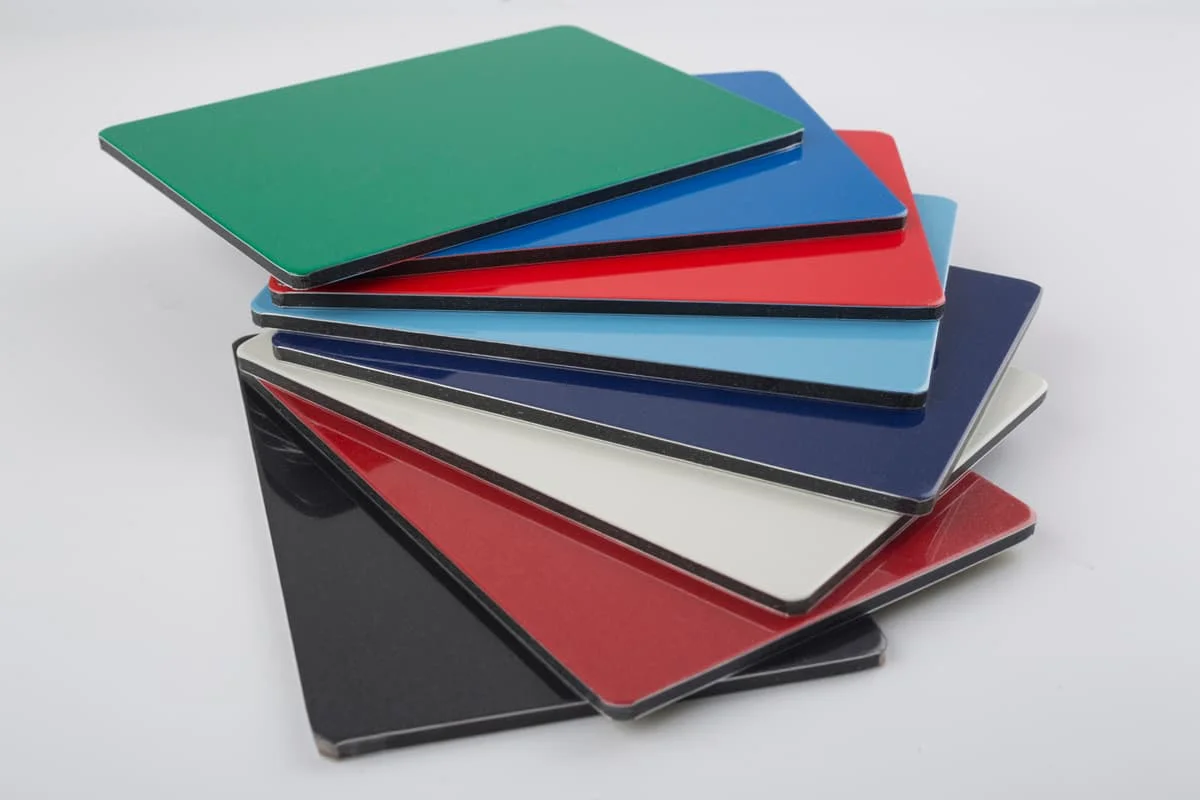
Modern architecture continues to evolve toward materials that combine performance, aesthetics, and efficiency. Among the many options available today, composite panel aluminium has become one of the most widely used solutions for commercial and residential projects. Its lightweight structure, durability, and design flexibility make it suitable for a variety of building applications.
Architects and developers increasingly select these materials because they offer a modern appearance while helping reduce installation challenges. As construction standards continue to rise, demand for high-quality aluminum-based panel systems remains strong across global markets.
A Material Designed for Versatility
One reason for the popularity of composite panel aluminium is its ability to adapt to different project requirements. The material is commonly used for building exteriors, interior decorative surfaces, retail environments, transportation facilities, and commercial developments.
Unlike some traditional construction materials, composite panels can be fabricated into customized shapes and dimensions. This flexibility allows architects to create distinctive designs while maintaining practical construction requirements.
Because of these advantages, aluminum composite systems have become an important component in contemporary architectural design.
Lightweight Structure with Strong Performance
Weight plays a critical role in construction projects. Heavy materials can increase transportation costs, complicate installation, and place additional loads on building structures.
Composite panel aluminium provides an effective alternative by combining strength with reduced weight. This balance helps simplify handling and installation while maintaining reliable structural performance.
The lightweight nature of these systems is particularly valuable in large commercial projects where efficiency and construction speed are important considerations.
Enhancing Building Appearance
Visual appeal remains a major priority in modern architecture. Building owners often seek materials that deliver a clean and professional appearance while supporting long-term durability.
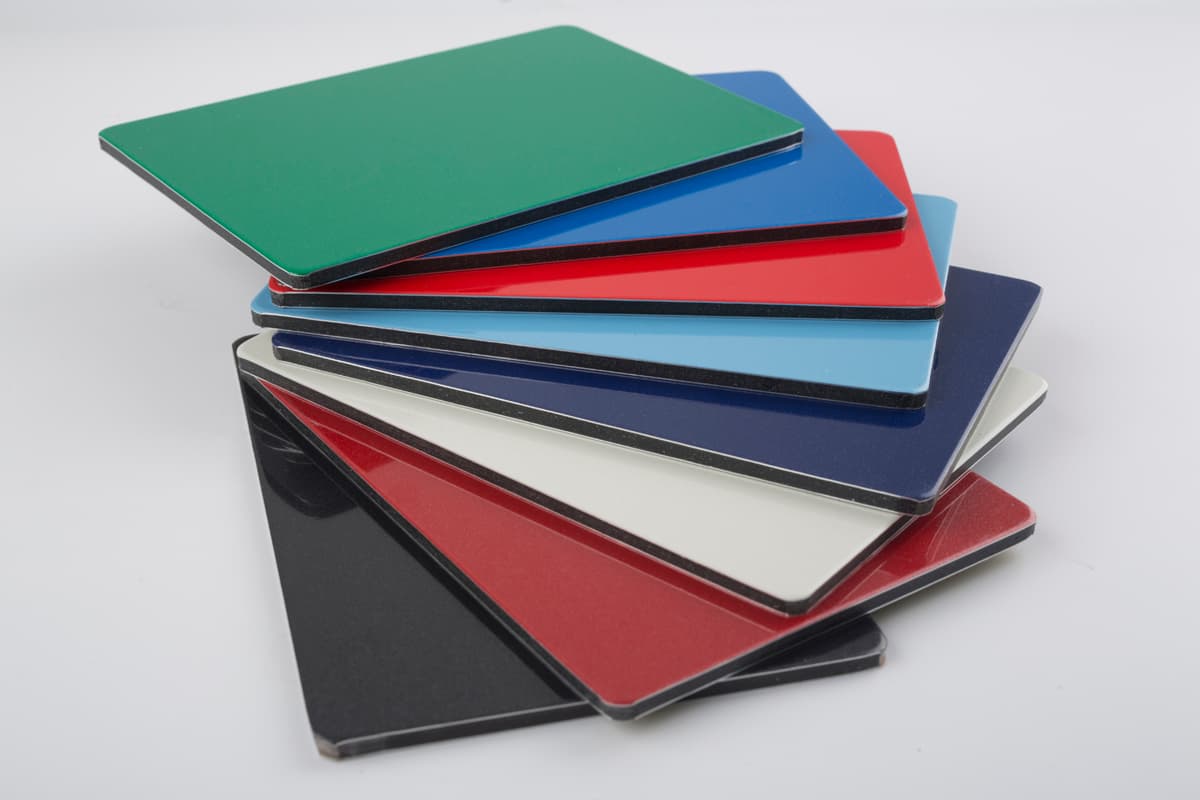
Composite panels are available in a wide range of finishes, including metallic surfaces, stone-inspired textures, wood-look designs, and customized colors. This variety gives architects greater freedom when creating unique building exteriors and interior spaces.
As a result, these materials are frequently chosen for projects that require both functionality and contemporary aesthetics.
Performance in Outdoor Environments
Exterior applications demand materials capable of resisting weather exposure and environmental stress.
Many manufacturers offer pvdf aluminum composite panel solutions specifically designed for outdoor conditions. These products feature protective coatings that help resist UV exposure, moisture, and temperature fluctuations while maintaining color consistency over time.
This level of performance makes composite systems suitable for commercial buildings, office complexes, shopping centers, and public facilities.
Applications Across Multiple Industries
Composite panel aluminium is used in a wide variety of sectors.
Common applications include:
- Commercial building facades
- Office developments
- Shopping malls
- Hotels and hospitality projects
- Transportation hubs
- Educational institutions
- Healthcare facilities
- Retail storefronts
- Signage systems
Professionals evaluating architectural materials often compare composite panel sheet products alongside other cladding solutions to determine the best fit for specific project requirements.
The broad range of applications demonstrates the flexibility and practicality of these systems.
Important Considerations Before Selection
Choosing the right panel solution requires careful evaluation of project needs.
Factors to consider include:
Environmental Conditions
Outdoor installations may require enhanced weather resistance and specialized coatings.
Surface Finish
The desired appearance will influence finish selection, whether metallic, textured, wood-grain, or customized.
Fire Safety Requirements
Certain commercial projects require compliance with local building regulations and fire-performance standards.
Supplier Experience
Working with a reliable manufacturer can help ensure product consistency, technical support, and long-term performance.
Conclusion
As architectural projects continue to prioritize efficiency, durability, and design flexibility, composite panel aluminium remains a popular material choice. Its lightweight structure, attractive appearance, and ability to perform in demanding environments make it suitable for a wide range of construction applications.
Whether used in commercial developments, public buildings, or modern renovation projects, these systems provide a practical solution that balances aesthetics and performance for today’s construction industry.